
New Year’s Eve Across Britain and Ireland: How Each Nation Celebrates
There is something about ringing in the New Year on these islands that feels different from anywhere else in the world. Perhaps it is the way the Scots have turned midnight on 31 December into an art form, or the sight of fireworks reflected in the Thames, or the sound of a ceilidh band striking up as the clock strikes twelve in a village hall somewhere in the Highlands. Whatever it is, celebrating New Year’s Eve in Britain and Ireland is one of those travel experiences that stays with you long after the confetti has been swept away.
Each nation does it differently, of course. Scotland has Hogmanay, a multi-day festival so deeply woven into the culture that it eclipses Christmas in historical importance. England brings the spectacle, with London’s midnight fireworks drawing a huge global television audience. Wales and Northern Ireland offer celebrations that feel more intimate but no less joyful, and Dublin’s New Year’s Festival has grown into one of Europe’s finest countdowns. Then there are the smaller celebrations in market towns, coastal villages, and countryside pubs that remind you why these islands are worth exploring in every season.
Here is how each nation sees in the New Year, and what you need to know if you want to join them.
Scotland: Hogmanay, a World-Famous New Year Celebration
Few countries take New Year’s Eve as seriously as Scotland. The word Hogmanay, whose origins are debated (Norse, Gaelic, and French etymologies all have their advocates), refers not just to the night of 31 December but to a sprawling festival of fire, music, whisky, and community that can stretch from late December well into 2 January. For a deeper look at the season north of the border, see our Christmas and Hogmanay in Scotland guide.
Edinburgh’s Hogmanay
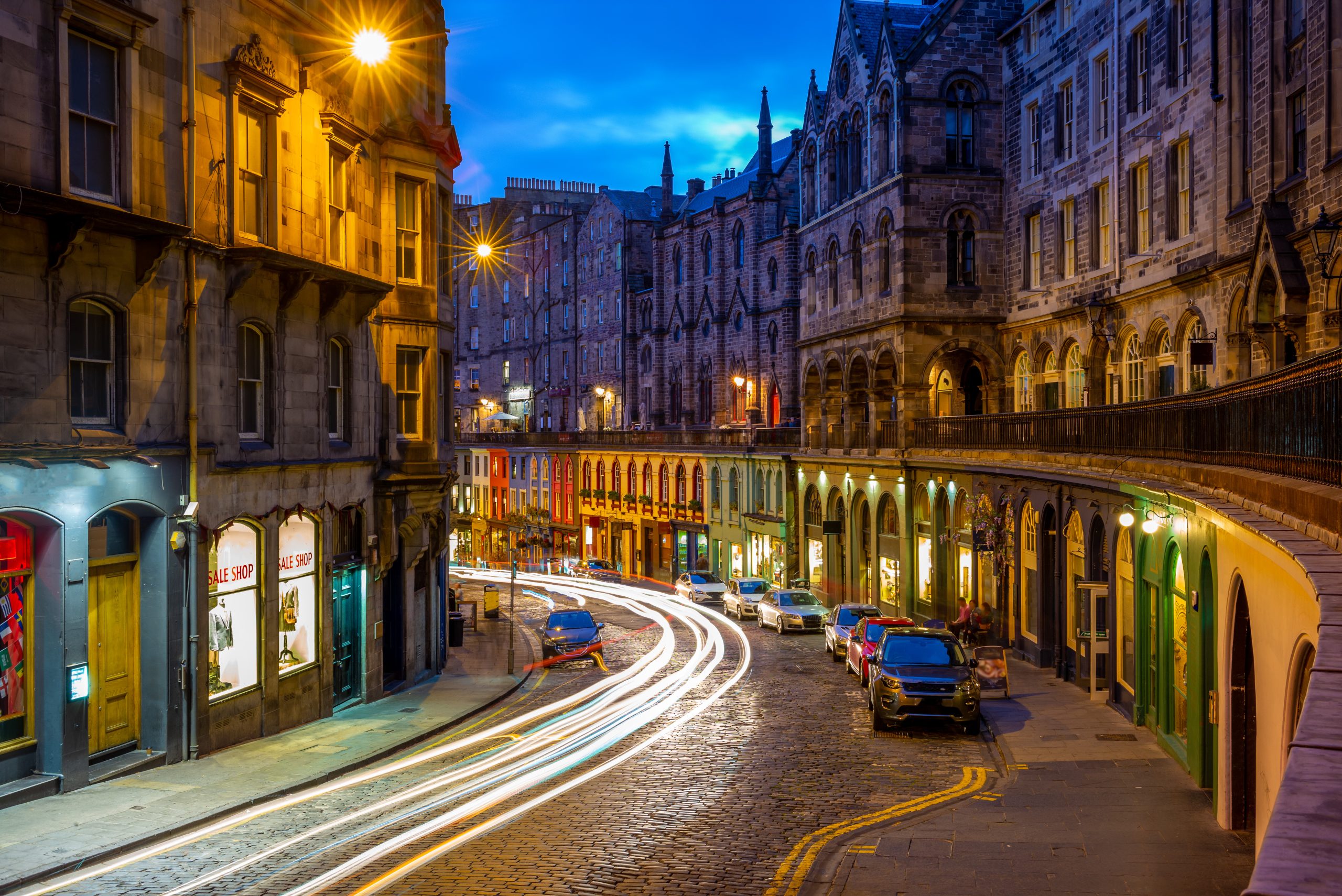
Edinburgh hosts one of the largest New Year celebrations in the United Kingdom, and its street party is among the biggest in the world. The festival unfolds across several days and multiple events, and the programme changes from year to year, so check the official Edinburgh’s Hogmanay website for the current line-up:
- The Torchlight Procession in the days before New Year’s Eve, when thousands of people carry flambeaux through the Old Town to Calton Hill, creating a river of fire visible from across the city
- The Street Party on 31 December, which fills Princes Street and the surrounding area with live music stages, DJs, food vendors, and a midnight countdown beneath the Castle
- The Concert in the Gardens, a ticketed event in Princes Street Gardens, with headline acts performing against the backdrop of Edinburgh Castle
- A traditional ceilidh in the shadow of the Castle (a feature of recent programmes), where strangers link arms and learn the steps together
- The Loony Dook on 1 January, when crowds of people in fancy dress charge into the freezing waters of the Firth of Forth at South Queensferry, often raising money for charity and proving that Scots are made of stronger stuff than most
Hogmanay Traditions
Hogmanay traditions run deep and are observed in homes and gatherings across Scotland, not just in Edinburgh.
First footing is the custom of being the first person to cross a friend or neighbour’s threshold after midnight. The ideal first foot is a tall, dark-haired man (a superstition thought to date back to the Viking era, when a blond stranger at the door was unlikely to bring good news). The first footer should carry symbolic gifts: a lump of coal for warmth, shortbread or black bun for food, salt for flavour, and a wee dram of whisky for good cheer.
Auld Lang Syne, set down by Robert Burns in 1788, is sung at midnight across the world, but it is in Scotland that you hear it sung properly, with everyone crossing arms and joining hands in a circle that sways and tightens as the song builds. If you have only ever mumbled through the first verse at a party, hearing it sung in full by a crowd in Edinburgh or Glasgow is genuinely moving.
Ceilidh dancing is central to the celebration. A ceilidh (pronounced “kay-lee”) is a social gathering with traditional Scottish music and group dances. You do not need to know the steps. The caller will talk you through each dance, and your fellow dancers will cheerfully push and pull you in the right direction. Strip the Willow and the Dashing White Sergeant are favourites.
Glasgow and Beyond
Glasgow no longer stages a large public Hogmanay street party in George Square, but the city’s pubs, clubs, and hotels host a lively night of music and dancing, with a raucous and warm atmosphere. Across Scotland, smaller towns and villages hold their own Hogmanay events. Stonehaven’s Fireball Ceremony, where locals swing balls of fire above their heads while marching down the High Street at midnight, is one of the most dramatic, and it is free to watch. Inverness, Aberdeen, and St Andrews are good bases for celebrations that offer a more manageable scale than Edinburgh while capturing the same spirit.
England: London’s Thames Fireworks and Beyond
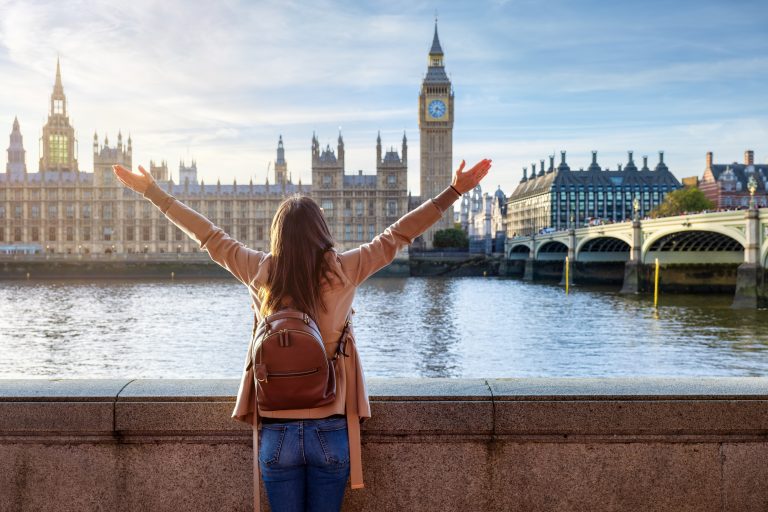
London’s New Year’s Eve fireworks display along the Thames is one of the most recognised images of the global midnight countdown. Each year, the pyrotechnics are launched from the London Eye and barges on the river, synchronised to music broadcast on BBC One and across loudspeakers along the South Bank. The display typically lasts around twelve minutes and incorporates the chimes of Big Ben, which strike midnight and mark the official start of the New Year.
Watching the Fireworks
The ticketed viewing areas along the Victoria Embankment, the South Bank, and Westminster Bridge offer the best vantage points. Tickets usually go on sale in October and sell out quickly, so check the official London New Year’s Eve website for any remaining or returned tickets. Each ticket is allocated to a specific viewing area, and you will need to arrive early in the evening to secure a good spot within your zone. There are food and drink vendors inside the zones, and the atmosphere is festive and good-natured.
If you prefer not to be in the thick of the crowd, several spots offer distant but impressive views of the display:
- Primrose Hill and Parliament Hill on Hampstead Heath
- Greenwich Park, looking back across the river toward Canary Wharf
- Waterloo Bridge, though it fills up quickly
- Rooftop bars and restaurants across central London (book well in advance)
Beyond London
England’s other cities host their own celebrations. Other English cities, including Manchester and Newcastle, have staged public countdowns and fireworks in some years, though plans change, so check the local council’s website before you travel. York, Bath, and Bristol all offer celebrations with a more historic backdrop.
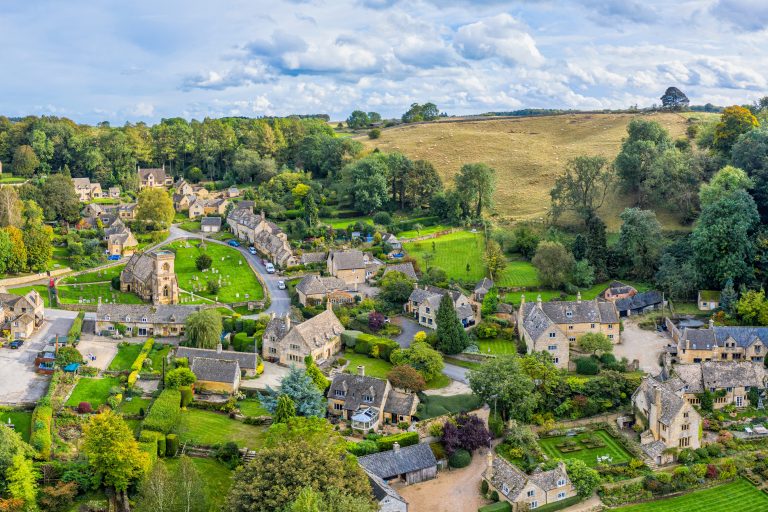
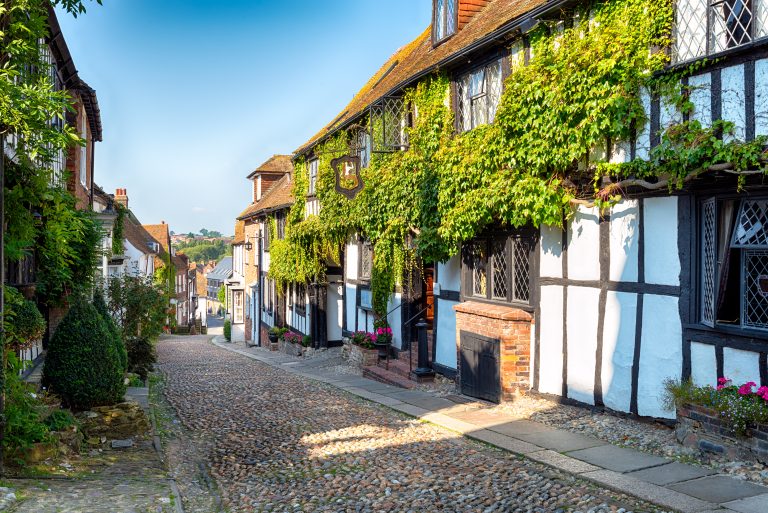
In the countryside, thousands of village pubs host their own New Year’s Eve gatherings, often with live music, a buffet supper, and a lock-in that stretches into the small hours. These quieter celebrations are some of the most memorable, offering a chance to ring in the New Year surrounded by locals in a setting that has barely changed in centuries.
Wales: Cardiff’s Winter Wonderland and Welsh Traditions
Cardiff’s New Year’s Eve celebration is centred on the Winter Wonderland at Cardiff Castle, where an ice rink, fairground rides, and food stalls create a carnival atmosphere through the evening. The format of the midnight celebrations has changed in recent years, so check Visit Cardiff for the current plans before you build your evening around fireworks.
Welsh Traditions
Wales has its own New Year customs worth knowing about. The Calennig tradition involves children going door to door on New Year’s morning, carrying a decorated apple or orange studded with cloves and mounted on a tripod of twigs, singing songs and collecting small gifts of money or food. While less widely practised than it once was, the tradition survives in parts of rural Wales and has seen a revival in recent years.
The Mari Lwyd, a wassailing tradition involving a horse skull draped in a white sheet, is associated with the Christmas and New Year period in south Wales. Groups carry the Mari Lwyd from door to door, engaging householders in a battle of rhyming insults (pwnco) before being admitted for food and drink. It is strange, ancient, and utterly wonderful.
Smaller celebrations across Wales include Swansea’s waterfront, which often hosts events, and community gatherings in towns throughout Eryri National Park (Snowdonia NP) and the Brecon Beacons, where New Year’s Eve in a country pub with a roaring fire and a view of the mountains is hard to beat.
Northern Ireland: Belfast’s Cathedral Quarter
Belfast’s New Year’s Eve celebration is concentrated in the Cathedral Quarter, where the cobbled streets fill with revellers moving between the area’s pubs, restaurants, and live music venues. Our Belfast travel guide will help you get your bearings. The atmosphere is distinctly Belfast: friendly, unpretentious, and fuelled by excellent craic.
The city’s pub scene is central to the celebration. Historic venues in the Cathedral Quarter and the surrounding streets offer live traditional music sessions, DJ sets, and themed parties. Belfast’s food scene has grown enormously in recent years, and many restaurants offer special New Year’s Eve tasting menus.
Beyond Belfast, the north coast towns of Portrush and Portstewart host smaller gatherings, and there is something magical about watching fireworks from the clifftops with the Atlantic stretching out into the darkness.
Dublin: New Year’s Festival
Dublin, the capital of the Republic of Ireland, hosts New Year’s Festival Dublin, or NYF Dublin, which has established itself as one of Europe’s standout celebrations. The festival runs over several days from 30 December and includes a programme of music and arts across the city centre. If you are planning a Dublin stay, our guide to the must-sees of the Irish capital is a good place to start.
The countdown concert and midnight moment (the venue varies by year, and Dublin Castle has been a main site) draw large crowds, and past editions have featured fireworks and light shows projected onto Dublin’s historic architecture.
Temple Bar, Dublin’s famous cultural quarter, is at its most lively on New Year’s Eve, with traditional music sessions spilling out of pubs and onto the streets. Dublin’s literary and artistic heritage infuses the festival with a creative edge that sets it apart. Past editions have included light installations, pop-up performances, and participatory art events that invite visitors to become part of the celebration rather than simply spectating. Check the official NYF Dublin website for the current programme and tickets.
Smaller Celebrations: Towns and Villages
Some of the most rewarding New Year’s Eve experiences in Britain and Ireland happen away from the big cities. A few to consider:
| Location | What to Expect |
|---|---|
| Stonehaven, Scotland | The Fireball Ceremony: locals swing fireballs through the streets in a tradition dating back generations |
| Whitby, England | A harbour-side countdown in one of Yorkshire’s most atmospheric coastal towns |
| Tenby, Wales | Seaside swims over the festive period and a lively pub scene in a walled medieval town |
| Kinsale, Republic of Ireland | A food-lover’s New Year in one of Ireland’s most celebrated culinary towns |
| Kirkwall, Orkney | A community celebration on the islands, with a distinctly Norse flavour to the festivities |
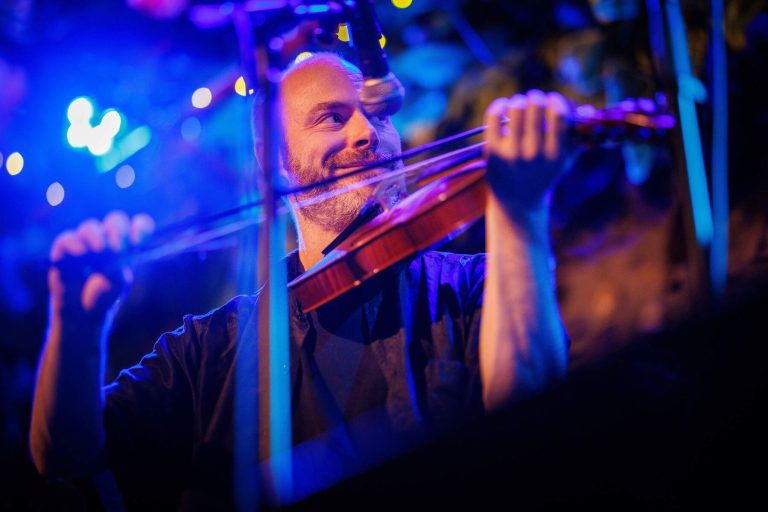
Village pubs across Britain and Ireland host their own New Year’s Eve gatherings, and these are often the evenings that visitors remember most vividly. A country pub with a log fire, a fiddle player in the corner, and a crowd of locals who adopt you for the evening offers something that no arena concert can match.
Practical Information
Tickets and Booking
Edinburgh’s Hogmanay Street Party and Concert in the Gardens are ticketed events, as is joining the Torchlight Procession as a torchbearer (watching is free). Tickets typically go on sale in the months before the festival and sell out quickly, particularly for the Concert in the Gardens. Book as early as possible.
London’s fireworks viewing areas require tickets, which usually go on sale in October through the official London New Year’s Eve website. They sell out rapidly.
Dublin NYF events are a mix of free and ticketed. Check the festival website from October onwards for the programme and booking details.
Cardiff, Belfast, and most smaller celebrations are generally free to attend or cheap to enter, though specific events within the celebrations may require tickets.
Accommodation
This is the single most important piece of practical advice: book your accommodation as early as you possibly can. Hotels in Edinburgh, London, and Dublin on New Year’s Eve fill up months in advance, and prices reflect the demand. Booking six months ahead is sensible; three months ahead may already limit your options.
Consider staying slightly outside city centres. Edinburgh’s excellent bus and tram network means that accommodation in Leith, Stockbridge, or Morningside puts you within easy reach of the Hogmanay celebrations. In London, anywhere on the Tube network gives you access to the fireworks viewing areas.
Transport on New Year’s Eve
Public transport arrangements vary by city, but most major cities offer extended or all-night services on New Year’s Eve:
- London usually runs extra late-night services on New Year’s Eve, so check Transport for London’s festive travel guide for the current arrangements
- Edinburgh runs additional late-night bus services, though the city centre closes to traffic during Hogmanay events
- Dublin Bus and Luas typically run extended services, with Nitelink buses operating into the early hours
- Belfast and Cardiff offer limited late-night bus services; taxis are in high demand, so pre-booking is essential
Driving on New Year’s Eve is generally inadvisable in city centres due to road closures and the obvious issue of drink-driving restrictions.
Pub Closing Times
Standard pub closing times vary across the nations, but on New Year’s Eve most licensed premises apply for extended hours. In Scotland, England, and Wales, many pubs and bars apply for extended licences on New Year’s Eve, often running to 02:00, 03:00, or later. In Northern Ireland, many venues obtain late extensions. In the Republic of Ireland, special exemption orders commonly allow pubs to serve beyond their usual closing time on New Year’s Eve. Always check with individual venues.
Weather and What to Wear
New Year’s Eve in Britain and Ireland is cold. Average temperatures across the major cities in late December range from 1 to 7 degrees Celsius, and that is before wind chill. Rain, sleet, or even snow are all possible.
Dress in warm layers. A proper winter coat, hat, scarf, and gloves are essential, not optional. Waterproof outer layers are strongly recommended. Comfortable, waterproof footwear is important, as you will likely be standing for several hours on wet or icy ground. The Loony Dook is the only event where underdressing is encouraged.
Let Great British Trips Plan Your New Year’s Eve
A New Year’s Eve trip to Britain or Ireland involves a lot of moving parts: securing event tickets before they sell out, finding accommodation in high-demand cities, arranging transfers, and building an itinerary that makes the most of the days around the celebration. Great British Trips specialises in tailor-made itineraries across the UK and Ireland, and the team can put together a New Year’s Eve trip that handles all the logistics while leaving you free to enjoy the celebrations. Whether you want to experience Edinburgh’s Hogmanay, watch the London fireworks from a prime vantage point, or combine a city celebration with a few days exploring the countryside, a bespoke itinerary takes the stress out of what should be a joyful start to the year. Request a free quote and tell us where you would like to ring in the New Year.
Frequently Asked Questions
Do I need tickets to attend New Year’s Eve celebrations in Britain and Ireland?
It depends on the city and the event. Edinburgh’s main Hogmanay events and London’s fireworks viewing areas both require tickets, which sell out quickly, so book as soon as they are released. Dublin’s NYF Festival includes both free and ticketed events. Celebrations in Cardiff, Belfast, and most smaller towns are generally free to attend, though specific concerts or events within them may require tickets. Always check official event websites from late summer onwards.
How far in advance should I book accommodation for New Year’s Eve?
As early as possible, ideally six months or more before 31 December. Edinburgh, London, and Dublin hotels fill up rapidly, and prices are significantly higher than at other times of year. Booking early gives you the widest choice and the best rates. Staying in neighbourhoods just outside city centres can offer better value while keeping you well connected to the celebrations by public transport.
Is public transport available on New Year’s Eve?
Yes, most major cities run extended or special late-night transport services on New Year’s Eve. London usually runs extra late-night services, so check Transport for London’s festive travel guide for the current arrangements. Edinburgh, Dublin, Belfast, and Cardiff all run additional services, though they may not operate through the entire night. Pre-booking taxis is strongly recommended in all cities, as demand far exceeds supply in the hours after midnight.
What is first footing, and can visitors take part?
First footing is the Scottish tradition of being the first person to enter a home after midnight on New Year’s Eve. The first footer traditionally brings symbolic gifts: a lump of coal, shortbread, salt, and whisky. If you are staying with Scottish friends or hosts, or attending a Hogmanay house party, you may well find yourself participating. It is a warm and welcoming tradition, and visitors are enthusiastically included.
What should I wear to an outdoor New Year’s Eve celebration in Britain?
Warm, waterproof clothing is essential. Late December temperatures across Britain and Ireland typically range from 1 to 7 degrees Celsius, with wind chill making it feel colder. Wear a heavy winter coat, hat, gloves, and scarf, and choose waterproof boots or shoes, as you will be standing outdoors for extended periods on potentially wet ground. Layering is key, as you may move between heated indoor spaces and cold outdoor events throughout the evening.