

A Spooky Tour of Britain’s Most Haunted Historic Sites
There is something about an old stone corridor, a creaking door, and a whisper of cold air that makes the hairs on the back of your neck stand up. Britain and Ireland are home to some of the most haunted places on earth, where centuries of turbulent history have left behind not just ruins and relics, but restless spirits who, if the stories are to be believed, never quite moved on.
From the blood-soaked walls of the Tower of London to the eerie silence of an abandoned Irish mansion on the Hook Peninsula, these islands offer a ghostly trail unlike anything else in the world. Whether you are a serious paranormal enthusiast or simply someone who enjoys a good ghost story told by candlelight, this guide will take you through nine of the most haunted historic sites in Britain and Ireland, complete with the legends, the practicalities, and everything you need to plan your own spine-tingling adventure.
Tower of London, London
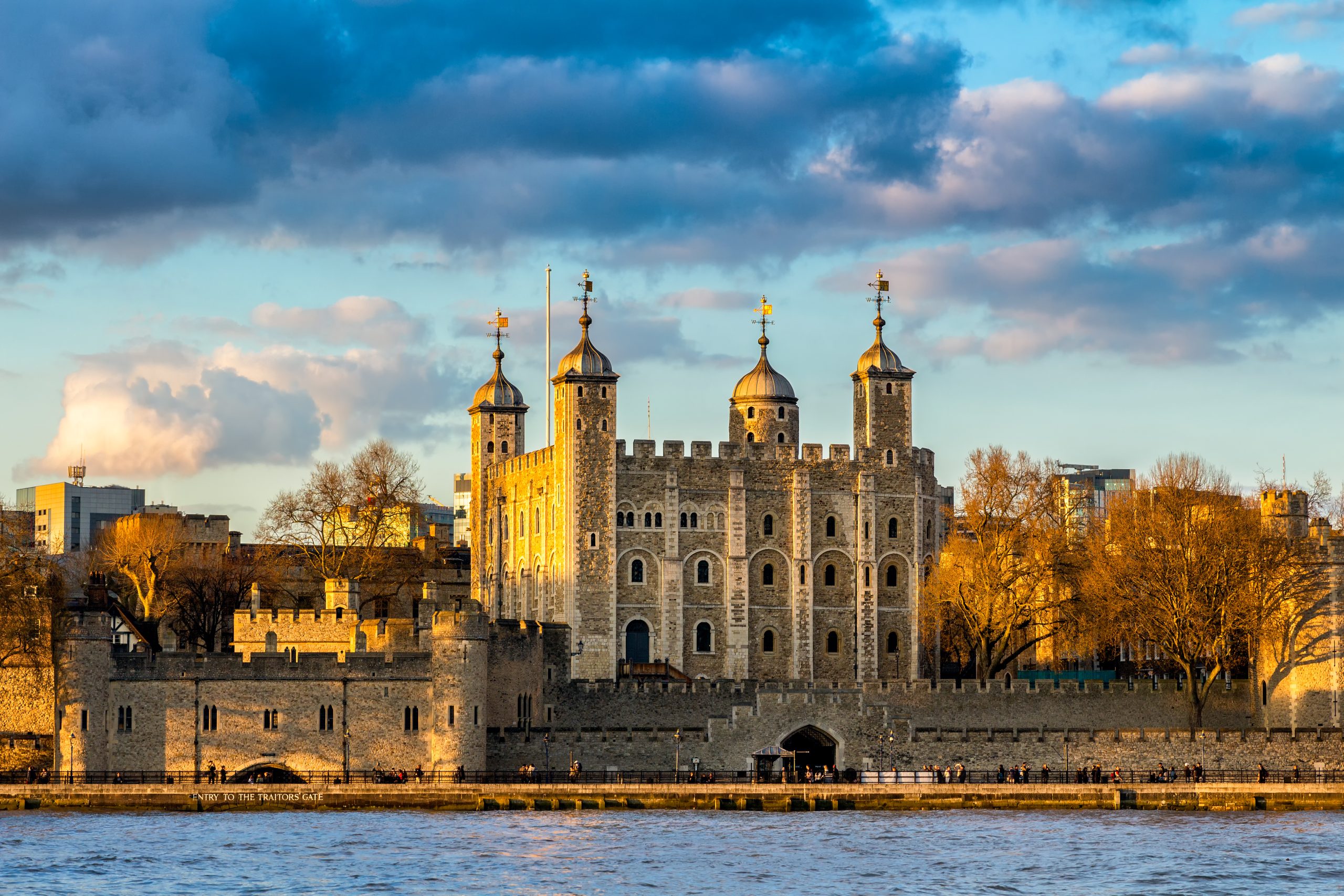
Few places in the world carry as much dark history as the Tower of London. For nearly a thousand years, this fortress on the banks of the Thames served as a royal palace, a prison, and an execution ground. It is little wonder that it is considered one of the most haunted buildings in England.
The most famous apparition is Anne Boleyn, the second wife of Henry VIII, who was beheaded on Tower Green in 1536. Her ghost has been reported walking the corridors of the Chapel Royal of St Peter ad Vincula, sometimes carrying her head tucked beneath her arm. Guards and visitors alike have reported seeing the pale figure of Lady Jane Grey, the “Nine Days Queen,” who was executed here in 1554 at just sixteen years old. The White Tower itself is said to be haunted by the ghosts of the two young princes, Edward V and his brother Richard, Duke of York, who disappeared within its walls in 1483 and were almost certainly murdered.
What to visit: The Tower is open year-round, and a standard admission ticket gives you access to the Crown Jewels, the White Tower, the Medieval Palace, and the infamous Traitors’ Gate. The Yeoman Warders, known as Beefeaters, lead excellent tours that weave ghost stories into the broader history of the fortress.
Ghost tour options: While the Tower itself does not run dedicated ghost tours, several London tour operators offer after-dark walking tours that begin or end at the Tower. During October, the Tower occasionally hosts special evening events with a supernatural theme. Check the Historic Royal Palaces website for seasonal programming.
Edinburgh Vaults, Edinburgh
Beneath the Royal Mile, hidden under the arches of South Bridge, lies a labyrinth of underground chambers that were sealed off for nearly two hundred years. The Edinburgh Vaults were built in the late 1700s and originally used as workshops and storage spaces by merchants. As conditions deteriorated, they became home to the city’s poorest residents and, eventually, to criminal enterprises. The vaults were abandoned and bricked up in the nineteenth century, forgotten until their rediscovery in 1985.
Today, the vaults are widely regarded as one of the most actively haunted locations in Scotland. Visitors and tour guides regularly report cold spots, unexplained touches, and the sound of footsteps in empty corridors. The most well-known spirit is “Mr Boots,” a shadowy male figure said to be aggressive and territorial. In one of the smaller chambers, visitors have reported encounters with the ghost of a young boy named Jack, and it has become a tradition to leave toys and sweets in his vault.
What to visit: The vaults can only be accessed through guided tours, as they sit beneath active city streets. Several operators run daily tours that range from historical explorations to full paranormal investigation experiences.
Ghost tour options: Mercat Tours and City of the Dead Tours are among the most established operators. Mercat offers a “Ghostly Underground” tour that takes you deep into the sealed vaults by candlelight. City of the Dead runs an evening tour of Greyfriars Kirkyard that includes vault access and has been described by multiple publications as one of the scariest ghost tours in the world. Booking in advance is strongly recommended, particularly during the Edinburgh Festival in August and throughout October.
Leap Castle, County Offaly, Ireland
Standing in the rolling countryside of County Offaly, Leap Castle has a reputation that far exceeds its modest size. Originally built by the O’Bannon clan in the thirteenth century and later seized by the O’Carrolls, the castle was the site of extraordinary violence, even by medieval standards. After a dispute over clan leadership, one brother murdered another in the chapel, which has been known as the “Bloody Chapel” ever since.
During renovations in the early 1900s, workers discovered an oubliette, a hidden dungeon beneath the chapel, filled with human remains stacked on wooden spikes. It is estimated that dozens of people were dropped through a trapdoor to die slowly in the darkness below.
The most chilling spirit associated with Leap Castle is not a human ghost at all, but an elemental being known simply as “It.” Described as a hunched, decaying figure with the face of a sheep and the stench of decomposing flesh, “It” was first reported by Mildred Darby, who lived in the castle in the early 1900s and wrote about the encounter for the Occult Review.
What to visit: Leap Castle is privately owned by musician Sean Ryan, who has been restoring the building for decades. He welcomes visitors by appointment and is known for giving warm, personal tours filled with history and ghost lore.
Ghost tour options: Because the castle is a private residence, tours are arranged directly with the owner. Paranormal investigation groups occasionally arrange overnight stays. The castle has featured on numerous ghost-hunting television programmes, and Sean Ryan is a generous and knowledgeable host for anyone genuinely interested in the history and hauntings.
Glamis Castle, Angus, Scotland
Glamis Castle is one of Scotland’s grandest and most atmospheric stately homes, set against the backdrop of the Grampian Mountains in Angus. It has been the seat of the Strathmore family since the fourteenth century, and it was the childhood home of the late Queen Elizabeth The Queen Mother.
The castle’s most persistent legend involves the “Monster of Glamis,” said to be a hideously deformed heir to the Strathmore title who was kept hidden in a secret room for his entire life. According to the story, only the Earl, his eldest son, and the family’s factor were ever told the location of the room. Workmen once attempted to find it by hanging towels from every window in the castle, and when they looked from outside, they counted several windows with no towels, suggesting bricked-up chambers within the walls.
Other reported ghosts include a “Grey Lady” who haunts the chapel, believed to be Lady Janet Douglas, who was burned at the stake for witchcraft in 1537. A small pageboy has been seen sitting on a stone seat by the door of the Queen Mother’s sitting room, and guests in the Blue Room have reported being woken by the sensation of a bearded man leaning over their bed.
What to visit: Glamis Castle is open to the public from late March through October. Guided tours of the castle interior run throughout the day, and the surrounding grounds and gardens are worth exploring in their own right.
Ghost tour options: The castle occasionally hosts special evening events and Halloween tours. Check their website for seasonal programming, as these events tend to sell out quickly.
Pendle Hill, Lancashire, England
Pendle Hill is not a castle or a grand house, but an ancient, brooding fell that rises above the villages of east Lancashire. It is beautiful in a stark, windswept way, but its fame rests on one of the darkest chapters in English history: the Pendle Witch Trials of 1612.
In that year, twelve people from the area around Pendle Hill were accused of witchcraft. Ten were found guilty and hanged at Lancaster Castle. The accused were mostly poor, elderly women from two rival families, the Demdikes and the Chattoxes, who had long been regarded by their neighbours as cunning folk or healers. The trial became one of the most thoroughly documented witch trials in English history, thanks to the detailed account written by the court clerk, Thomas Potts.
Today, walkers on Pendle Hill and in the surrounding villages report an atmosphere that ranges from peaceful to deeply unsettling, depending on the weather and the time of day. Fog rolls in quickly on the fell, and it is easy to see how superstition took hold in these isolated communities. The ruined farms and ancient lanes around Barley, Newchurch, and Roughlee still feel remarkably unchanged.
What to visit: Pendle Hill itself is freely accessible and offers a rewarding walk to the summit, with views across the Ribble Valley and into the Yorkshire Dales. The village of Newchurch-in-Pendle has a small witchcraft museum and a churchyard where one of the accused, Alice Nutter, is commemorated. The Pendle Heritage Centre in Barrowford provides excellent context on the trials and the social history of the area.
Ghost tour options: Several local operators run guided walks and ghost tours around the Pendle villages, particularly during October. The annual Pendle Witch Festival, held around Halloween, features guided night walks on the hill, storytelling events, and historical re-enactments.
Crumlin Road Gaol, Belfast, Northern Ireland
Crumlin Road Gaol is one of the most striking and sobering buildings in Belfast. Built in 1845 and designed to resemble the grim grandeur of Pentonville Prison in London, it housed thousands of prisoners over its 150-year history, including political prisoners from both sides of Northern Ireland’s troubled past. Seventeen men were executed within its walls, and their remains are buried in unconsecrated graves within the prison grounds.
Since its closure in 1996 and subsequent restoration as a visitor attraction, staff and visitors have reported a wide range of paranormal activity. Cold spots, unexplained footsteps, and the sound of cell doors slamming shut are commonly reported. The execution chamber, where the condemned were hanged, is said to be the most active location in the building. Some visitors have reported feeling suddenly nauseous or overwhelmed by sadness in certain wings.
What to visit: Crumlin Road Gaol is open daily for guided historical tours that cover the building’s architecture, its role in Belfast’s history, and the stories of its most notorious inmates. The tour includes the tunnel that connected the gaol to the courthouse across the road, through which prisoners were led to hear their sentences.
Ghost tour options: The gaol runs regular “Paranormal Tours” on selected evenings throughout the year, led by experienced guides who provide EMF detectors and other investigation equipment. These tours allow small groups to explore the wings, the tunnel, and the execution chamber after dark. They are extremely popular and booking well in advance is essential.
Chillingham Castle, Northumberland, England
Tucked away in the Northumberland countryside near the Scottish border, Chillingham Castle has been described as the most haunted castle in England. Its remote location and turbulent history as a border fortress meant it saw centuries of warfare, siege, and suffering.
The most famous ghost is the “Blue Boy,” also known as the “Radiant Boy,” who haunted the Pink Room. Guests sleeping in the room reported being woken by a bright blue flash of light and the anguished cries of a child. During renovations, the bones of a young boy were discovered behind the wall, along with fragments of a blue garment. After the remains were given a proper burial, sightings reportedly decreased, though they have not stopped entirely.
The castle’s torture chamber, one of the most complete surviving examples in England, adds another layer of unease. The collection includes an iron maiden, a barrel used for drowning, and a cage in which prisoners were suspended from the ceiling. John Sage, a lieutenant at the castle during the border wars, is said to have tortured and killed dozens of Scottish prisoners within these walls, and his ghost is among those reported by visitors.
What to visit: Chillingham Castle is open to the public from Easter through October, with guided tours of the state rooms, the medieval courtyard, and the torture chamber. The grounds include woodland walks and a herd of wild Chillingham cattle, one of the rarest breeds in the world.
Ghost tour options: The castle is one of the few historic sites in Britain that actively embraces its haunted reputation. Overnight ghost tours and paranormal investigation evenings are available throughout the open season, often led by the castle’s own team. These events include access to areas not covered on the daytime tour.
Berry Pomeroy Castle, Devon, England
Perched above a steep, wooded valley near Totnes in south Devon, Berry Pomeroy Castle is a place where beauty and menace exist side by side. The ruin, which combines a medieval gatehouse and curtain wall with an Elizabethan mansion rising within, is managed by English Heritage and surrounded by some of the loveliest woodland in the West Country.
Two ghosts dominate the legends here. The first is the “White Lady,” said to be Margaret Pomeroy, who was imprisoned in the dungeons by her jealous sister Eleanor and left to starve to death. Her ghost is said to rise from the dungeon and walk the ramparts, beckoning to those who see her. The second is the “Blue Lady,” who haunts the ruined tower and is said to be the spirit of a woman who smothered a baby born of her father’s abuse. Seeing the Blue Lady is considered an omen of misfortune.
Visitors to the castle frequently report a heavy, oppressive atmosphere, particularly in the ruined rooms of the Elizabethan wing. Dogs have been known to refuse to enter the grounds, and local lore holds that the surrounding woods are home to their own collection of restless spirits.
What to visit: Berry Pomeroy Castle is open seasonally through English Heritage, typically from late March to early November. The ruin is compact but evocative, and the walk through the woodland to reach it is part of the experience.
Ghost tour options: English Heritage occasionally runs special evening events at the castle during the Halloween period. Local tour operators in the Totnes area also offer ghost walks that include the castle and surrounding woodland. Check the English Heritage events calendar for the latest offerings.
Loftus Hall, Hook Peninsula, County Wexford, Ireland
At the very tip of the Hook Peninsula in County Wexford, Loftus Hall stands in windswept isolation overlooking the sea. The house has a long history, but the story that made it famous dates to the 1760s, when a mysterious stranger arrived at the door during a storm and was invited to stay.
During a game of cards, a young woman named Anne Tottenham dropped a card and, bending to pick it up, saw that the stranger had cloven hooves instead of feet. At the moment of discovery, the figure is said to have burst through the ceiling in a ball of fire and vanished into the night. Anne Tottenham went mad with shock and spent the rest of her short life confined to the room where the incident had taken place, her eyes fixed on the ceiling.
The house passed through several hands and was eventually abandoned, falling into disrepair. During its years as a visitor attraction, guests reported doors opening and closing on their own, sudden drops in temperature, and the sensation of being watched. The atmosphere of the building, isolated, decaying, and lashed by Atlantic winds, is genuinely unsettling even without the legends.
What to visit: Loftus Hall’s status has changed over the years, with periods of public access followed by closure for redevelopment. It is worth checking the current status before planning a visit, as the property has been subject to various development plans. The Hook Peninsula itself is a rewarding area to explore, with the Hook Lighthouse, one of the oldest operational lighthouses in the world, just a short drive away.
Ghost tour options: When the hall has been open to the public, guided ghost tours have been among its main attractions. The Hook Peninsula also offers wider history and folklore tours that place the Loftus Hall story in the context of the region’s rich heritage.
Planning Your Haunted Britain and Ireland Trip
| Site | Location | Best Time to Visit | Advance Booking Needed |
|---|---|---|---|
| Tower of London | London | Year-round; October for Halloween events | Yes, especially weekends |
| Edinburgh Vaults | Edinburgh | Year-round; August and October busiest | Yes, essential for evening tours |
| Leap Castle | County Offaly, Ireland | Spring through autumn | Yes, by appointment only |
| Glamis Castle | Angus, Scotland | Late March to October | Recommended |
| Pendle Hill | Lancashire, England | Year-round; October for festival | No (hill is open access) |
| Crumlin Road Gaol | Belfast | Year-round | Yes, essential for paranormal tours |
| Chillingham Castle | Northumberland, England | Easter to October | Yes, especially overnight events |
| Berry Pomeroy Castle | Devon, England | Late March to early November | Recommended for events |
| Loftus Hall | County Wexford, Ireland | Check current access status | Yes, when open |
Halloween and Seasonal Events
October is the peak month for ghost tours and supernatural events across Britain and Ireland. Many of the sites listed above run special Halloween programming, from candlelit tours to full overnight paranormal investigations. If you are planning a trip specifically around Halloween, book early. The most popular experiences, particularly the Edinburgh Vaults evening tours and Chillingham Castle overnights, can sell out weeks in advance.
Beyond Halloween, many of these sites offer ghost tours throughout their open seasons. Edinburgh’s underground tours run year-round, and Crumlin Road Gaol’s paranormal evenings are scheduled across the calendar. Visiting outside peak season often means smaller groups and a more atmospheric experience.
Tips for Ghost Tour Visitors
- Dress warmly. Historic sites, underground vaults, and ruined castles are cold, even in summer. Layers and sturdy footwear are essential.
- Bring a torch for outdoor sites like Pendle Hill if you are walking at dusk or after dark.
- Keep an open mind. Whether or not you believe in ghosts, the history behind these hauntings is real and often deeply moving.
- Respect the sites. These are places where real people lived, suffered, and died. The best ghost tours treat their subjects with dignity and historical accuracy.
- If you are combining multiple haunted sites into a single trip, consider that a route linking Edinburgh, Northumberland, Lancashire, and London is very manageable by car or train, while a separate loop through Ireland could take in Leap Castle, Loftus Hall, and a ferry crossing to reach Crumlin Road Gaol in Belfast.
Let Great British Trips Plan Your Haunted Adventure
If the idea of threading these haunted locations into a single, seamless itinerary appeals to you, Great British Trips specialises in tailor-made touring holidays across Britain and Ireland. The team can build a spooky-themed itinerary around your interests, whether that means a weekend of Edinburgh ghost tours and Scottish castles, a longer road trip taking in haunted sites from London to Northumberland, or a cross-Irish-Sea journey connecting the ancient ghosts of Ireland with the dark history of Belfast and beyond. Halloween departures are particularly popular, so getting in touch early gives you the best choice of ghost tours, seasonal events, and atmospheric accommodation.
Frequently Asked Questions
What is the most haunted place in Britain?
The Tower of London and Chillingham Castle are both frequently cited as the most haunted locations in England, while the Edinburgh Vaults hold that distinction in Scotland. Each has centuries of documented ghost sightings, and all three offer tours that explore their supernatural histories in detail.
Can you do overnight ghost hunts at these locations?
Several of these sites offer overnight paranormal investigation experiences. Chillingham Castle is particularly well known for its overnight events, and Crumlin Road Gaol runs extended evening paranormal tours. Leap Castle occasionally hosts overnight stays by arrangement with the owner. Availability varies by season, so check directly with each venue.
Are ghost tours suitable for children?
This depends on the tour and the child. Many daytime historical tours at sites like the Tower of London and Glamis Castle include ghost stories told in a way that is engaging rather than frightening, and are suitable for older children. Evening ghost tours, particularly in the Edinburgh Vaults and Crumlin Road Gaol, are designed to be genuinely scary and are generally recommended for ages twelve and up. Check with the tour operator before booking if you are travelling with younger children.
When is the best time of year to visit haunted sites in Britain and Ireland?
October is the obvious choice, with Halloween events and special programming at many locations. However, autumn and winter more broadly offer shorter days, mist, and atmospheric conditions that suit the mood perfectly. Many ghost tours run year-round, and visiting outside peak season often means a more intimate experience with smaller groups.
Can Great British Trips arrange a haunted-themed itinerary?
Yes. Great British Trips creates tailor-made touring holidays across Britain and Ireland and can design an itinerary around haunted sites, ghost tours, and Halloween events. The team handles accommodation, transport, tour bookings, and local recommendations, so you can focus on enjoying the experience rather than the logistics.


