Fireworks Night in Britain: The Best Bonfire Celebrations Across the UK
Every year on the fifth of November, Britain lights up. Bonfires blaze on hilltops and in public parks. Fireworks crack and bloom across city skylines. Children clutch sparklers in gloved hands while their parents queue for toffee apples and jacket potatoes from roadside stalls. It is one of the most atmospheric nights on the British calendar, and for international visitors who happen to be in the country, it is an experience that stays with you.
Bonfire Night, also known as Guy Fawkes Night or Fireworks Night, is not a public holiday. There are no days off work, no official ceremonies, and no gift-giving. Instead, it is something more interesting: a centuries-old tradition rooted in political rebellion, religious tension, and gunpowder, which has evolved into one of Britain’s great communal celebrations. Towns and cities across the UK mark the occasion in their own way, from enormous organised displays to eccentric local customs that have been running for generations.
If you are planning an autumn trip to Britain, timing your visit to coincide with the fifth of November is well worth considering. This guide covers the history behind the tradition, the best celebrations across the country, and everything an international visitor needs to know to join in.
The Story Behind the Fifth of November
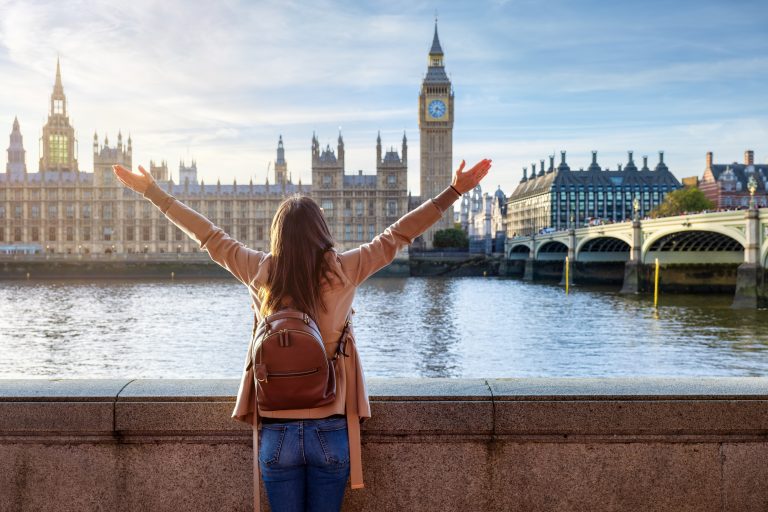
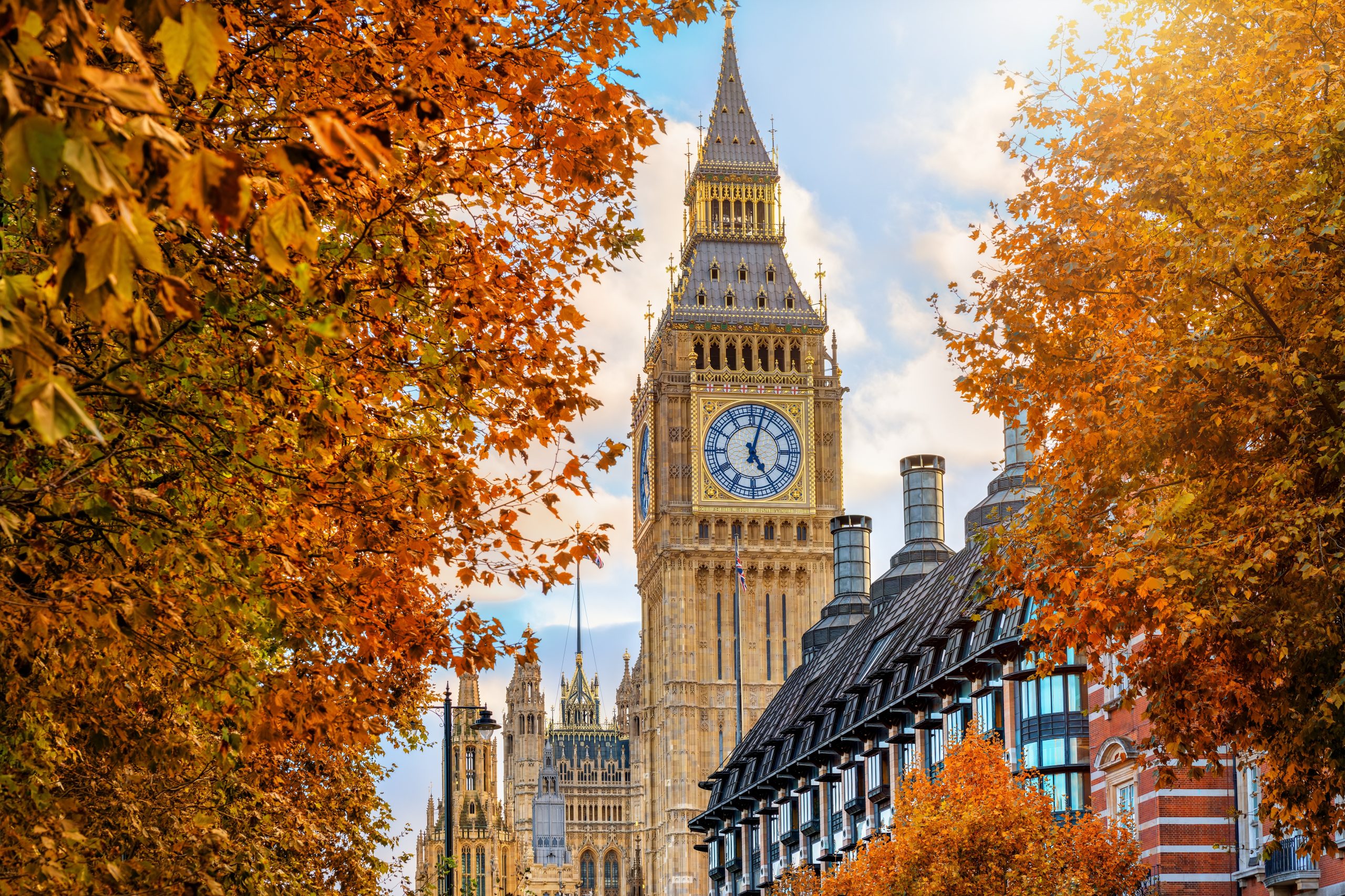
The origins of Bonfire Night are dramatic enough to have inspired centuries of commemoration. On 5 November 1605, a group of Catholic conspirators attempted to blow up the Houses of Parliament in London, along with King James I and the assembled Lords and Commons. The plan, known as the Gunpowder Plot, was foiled when Guy Fawkes was discovered guarding thirty-six barrels of gunpowder in a cellar beneath the House of Lords.
Fawkes was arrested, tortured, and eventually executed. Parliament declared 5 November a day of thanksgiving, and the public celebrated with bonfires and bells. Over the following centuries, the political and religious dimensions faded, but the fire and spectacle remained. By the Victorian era, Bonfire Night had become a fixture of the social calendar, with fireworks, effigies, and communal gatherings.
Today, the tradition is observed across England, and to varying degrees in Scotland, Wales, and Northern Ireland. The famous rhyme still circulates:
“Remember, remember the fifth of November, gunpowder, treason and plot.”
Most modern celebrations have little to do with anti-Catholic sentiment. Instead, the night is about community, spectacle, and the particular pleasure of standing around a fire on a cold autumn evening with something warm to eat and drink.
Where to Experience Bonfire Night Across the UK
Bonfire Night celebrations range from huge professional fireworks displays in city parks to small village bonfires where the entire community gathers on a playing field. The events listed here represent some of the most memorable and distinctive ways to experience the tradition, each offering something different.
Lewes Bonfire Night, East Sussex
Lewes, a handsome county town in the South Downs of East Sussex, holds the most famous Bonfire Night celebration in Britain. It is not a fireworks display with a bonfire attached. It is something altogether more extraordinary: a night of fire processions, burning effigies, flaming torches, and rolling tar barrels that transforms the town’s narrow streets into something that feels medieval, anarchic, and completely unforgettable.
The celebration is organised by six bonfire societies, each with its own traditions, costumes, and routes through the town. Members march in elaborate outfits ranging from Tudor dress to Viking costume. Flaming crosses are carried through the streets in memory of the seventeen Protestant martyrs burned at the stake in Lewes during the reign of Mary I. Effigies of contemporary public figures and Guy Fawkes are paraded before being set alight on enormous bonfires at six separate sites around the town.
The atmosphere is intense. The streets are packed, the air is thick with smoke, and the sound of bangers and firecrackers is constant. It is not a sanitised, family-friendly fireworks display. It is a raw, thrilling piece of living folk tradition.
What international visitors should know:
- Lewes Bonfire takes place on 5 November each year, regardless of what day of the week it falls on
- The town becomes extremely crowded. Tens of thousands of people attend, and the narrow streets fill quickly
- Arrive early in the afternoon to find a good vantage point. The processions begin at dusk
- There is no admission charge for the street processions. Some bonfire society sites charge a small entry fee
- Lewes is roughly an hour south of London by train. The last trains back to London fill up fast, so check return times in advance or consider staying overnight in the area
- Dress warmly and wear sturdy footwear. You will be standing on uneven ground for several hours
Edinburgh Fireworks, Scotland
Edinburgh has a long tradition of marking Guy Fawkes Night with fireworks, though the occasion sits alongside a broader calendar of autumn events in the Scottish capital. The city’s dramatic topography, with its castle perched on volcanic rock and the hills of Arthur’s Seat and Calton Hill framing the skyline, makes it a spectacular setting for pyrotechnics.
Organised displays take place at various locations around the city, with the largest events typically held at venues such as Meadowbank or in the grounds of large estates on the outskirts. Many residents gather informally on Calton Hill or other elevated spots to watch the multiple displays that light up across the city simultaneously.
Edinburgh’s relationship with Bonfire Night is slightly different from that of English cities. Scotland has its own tradition of fire festivals, most notably Hogmanay and the Up Helly Aa fire festival in Shetland, so the fifth of November is just one of several occasions when fire and spectacle take centre stage.
What international visitors should know:
- Edinburgh in early November is cold. Average temperatures hover around five to eight degrees Celsius, and it can be windy. Thermals, a waterproof jacket, and a hat are essential
- If you are already visiting Edinburgh for the autumn season, Bonfire Night is a welcome bonus rather than a reason to plan the trip. Combine it with visits to the castle, the Royal Mile, and the city’s excellent restaurants
- Check local listings for specific event locations and times, as these change year to year
- Public transport runs normally, and the city centre is easy to navigate on foot
Battersea Park Fireworks, London
For visitors staying in London, Battersea Park Fireworks is one of the capital’s most popular organised displays. Held in the leafy surroundings of Battersea Park on the south bank of the Thames, the event combines a professional fireworks show set to music with fairground rides, food stalls, and a bonfire.
The display is a ticketed event, which means it is well organised and less chaotically crowded than some free events. Families, couples, and groups of friends spread out across the park with picnic blankets and warm drinks, watching the fireworks reflected in the river.
London offers dozens of fireworks events in early November, from Alexandra Palace in the north to Crystal Palace in the south, Blackheath in the southeast to Victoria Park in the east. Battersea Park stands out for its central location, its riverside setting, and the quality of the display.
What international visitors should know:
- Tickets for Battersea Park Fireworks sell out in advance. Book as early as possible, especially for weekend dates
- The nearest stations are Battersea Park (Overground) and Sloane Square (Underground), both a short walk from the park
- Food stalls inside the event sell burgers, jacket potatoes, churros, and hot drinks, but queues can be long. Eating beforehand is a sensible option
- Wrap up warmly. Standing in a park by the Thames in November is a bracing experience
Blackpool World Fireworks Championship, Lancashire
Blackpool has been illuminating its seafront with lights since 1879, and the town knows a thing or two about spectacle. The World Fireworks Championship, held over several weekends in autumn, brings international pyrotechnic teams to the seafront to compete with elaborate displays choreographed to music.
The fireworks are launched from the seafront and visible from the full length of the promenade, with the famous Blackpool Illuminations providing a glittering backdrop. Each competing team puts on a display lasting around twenty minutes, and the standard is extraordinary. These are not garden fireworks; they are professional-grade shows designed by some of the best pyrotechnicians in the world.
Blackpool itself has a particular charm. The promenade, the Tower, the pleasure beach, the fish and chip shops, and the slightly faded seaside grandeur all contribute to an atmosphere that is distinctly and unapologetically British.
What international visitors should know:
- The World Fireworks Championship takes place across several weekends in September and October, not on 5 November itself. Check dates carefully
- The promenade is free to access. Arrive early to claim a spot along the seafront
- Blackpool is well connected by rail from Manchester and Preston. A day trip or overnight stay is straightforward
- The Blackpool Illuminations run from September to early January, so a visit in autumn lets you enjoy both the fireworks and the lights
Ottery St Mary Tar Barrels, Devon
If Lewes is the most famous Bonfire Night celebration in Britain, Ottery St Mary may be the most astonishing. Every 5 November, volunteers in this small Devon town carry flaming barrels of tar on their backs through the packed streets. There are no barriers, no marshals with high-visibility jackets, and very little in the way of what a health and safety inspector would consider adequate precaution. It is magnificent.
The tradition dates back centuries and is thought to have pagan origins linked to warding off evil spirits. Barrels are soaked in tar and set alight, then hoisted onto the shoulders of local men and women who run through the crowd while the barrels blaze above their heads. Different barrels are carried at intervals throughout the evening, with the largest and heaviest saved for midnight.
The event draws a large crowd to a very small town, and the combination of fire, narrow streets, and thousands of spectators creates an atmosphere that is thrilling and, frankly, a little nerve-racking.
What international visitors should know:
- Ottery St Mary is in East Devon, roughly three hours southwest of London by car. The nearest train station is Honiton or Exeter, with onward travel by taxi or bus
- The event is free and takes place on 5 November each year
- Arrive early and be prepared for very large crowds in a compact town centre
- This is not an event for anyone uncomfortable with close proximity to open flame. The barrels pass within feet of the crowd
- Wear old clothes and sturdy shoes. Sparks and embers are part of the experience
- There is no parking near the town centre on the night. Park on the outskirts and walk in
Belfast Halloween and Fireworks
Northern Ireland’s relationship with bonfires and fireworks is complex, rooted in traditions that extend well beyond Guy Fawkes. Belfast has increasingly channelled its autumn fire and spectacle into Halloween, which the city celebrates with a growing programme of events, culminating in fireworks displays that rival anything on the fifth of November.
The Derry Halloween festival, a short distance from Belfast, is widely regarded as one of the best Halloween celebrations in Europe, and Belfast has developed its own impressive programme of events. Fireworks displays take place at various locations around the city, often as the finale to Halloween parades, ghost tours, and themed events in the Cathedral Quarter and beyond.
For international visitors, Belfast in late October and early November offers a rich programme of autumnal celebration. The city’s food scene has flourished in recent years, the Titanic Quarter is a world-class attraction, and the surrounding countryside, including the Causeway Coast and the Mourne Mountains, is at its most atmospheric in autumn.
What international visitors should know:
- Belfast’s main fireworks and fire events tend to cluster around Halloween (31 October) rather than 5 November
- The Derry Halloween festival, roughly ninety minutes northwest of Belfast, is worth a day trip if your dates align
- Belfast is easy to reach by air from London and other UK cities, and the city centre is compact and walkable
- November weather in Northern Ireland is cool and often damp. Pack waterproofs and layers
Bridgwater Guy Fawkes Carnival, Somerset
Bridgwater Carnival is the largest illuminated procession in Europe and one of the most spectacular events on the British autumn calendar. Held on the first Saturday closest to 5 November, it attracts around 150,000 spectators who line the streets of this Somerset market town to watch enormous illuminated floats, known as carts, process through the centre.
The carts are built by local clubs over many months and can be over thirty metres long, carrying hundreds of performers in elaborate costumes and lit by thousands of lightbulbs. The effect is extraordinary: a river of light, colour, and music flowing through the dark streets. The procession takes around two hours, and is followed by a fireworks display known as the squibbing, in which hundreds of participants hold aloft large fireworks called squibs, creating a wall of flame and sparks along the high street.
Bridgwater Carnival is part of a wider circuit of Somerset carnivals that take place through November, with events in towns including Burnham-on-Sea, Shepton Mallet, Wells, Glastonbury, and Weston-super-Mare. Attending more than one gives you a sense of how seriously Somerset takes its autumn carnival season.
What international visitors should know:
- The carnival takes place on the first Saturday closest to 5 November. It is not always on the fifth itself
- Grandstand seating is available for purchase and offers the best views. Standing along the route is free
- Bridgwater is in central Somerset, easily reached from Bristol, Bath, or Exeter by road or rail
- The squibbing display at the end of the procession is genuinely thrilling and not to be missed
- Wrap up warmly. You will be standing outside for several hours
Bonfire Night Food and Drink
Food is central to the experience of Bonfire Night. The menu has barely changed in decades, and that is part of its appeal. These are simple, warming dishes designed to be eaten standing up, outdoors, on a cold November evening.
| Food | What It Is |
|---|---|
| Toffee apples | Whole apples coated in a hard toffee shell, served on a stick. Sweet, sticky, and surprisingly difficult to eat with dignity |
| Bonfire toffee | A dark, brittle treacle toffee, also known as plot toffee or treacle toffee. Intensely sweet and almost guaranteed to stick to your teeth |
| Parkin | A dense, sticky gingerbread cake made with oatmeal, treacle, and golden syrup. Particularly associated with Yorkshire and the north of England |
| Jacket potatoes | Baked potatoes split open and filled with butter, cheese, baked beans, or chilli. The ultimate cold-weather comfort food |
| Hot dogs and burgers | Standard fare at any large fireworks event |
| Soup | Tomato soup in a polystyrene cup is a Bonfire Night staple. Simple, warming, and exactly right for the occasion |
| Mulled cider and hot chocolate | Warm drinks are essential. Mulled cider, with its spiced apple warmth, is the most appropriate choice for the season |
Many organised events have food stalls, but if you are attending a smaller village bonfire, there may be little more than a tea urn and a table of homemade cakes run by volunteers. Both experiences have their charm.
Practical Information for International Visitors
Bonfire Night is one of those British traditions that makes perfect sense once you are standing in a field watching a bonfire, but can seem slightly baffling from a distance. Here is what you need to know.
When Does It Happen?
The fifth of November is the traditional date, and many events take place on that evening regardless of the day of the week. However, large organised displays often move to the nearest Friday or Saturday to attract bigger crowds. In practice, fireworks events run throughout late October and early November, and you will hear fireworks going off across British neighbourhoods for a week or more either side of the fifth.
What Should I Wear?
November in Britain is cold and often damp. Average temperatures across England range from four to ten degrees Celsius, and it will feel colder if you are standing still outdoors for two or three hours. Dress in layers: a thermal base layer, a warm fleece or jumper, a waterproof outer jacket, a hat, a scarf, and gloves. Sturdy, waterproof footwear is important, as the ground at many events will be muddy.
Is It Safe?
Organised events are carefully managed with fire marshals, first aid provision, and crowd control. The main risk at large displays is simply the cold and the crowds. Smaller community events and some of the more traditional celebrations, such as Lewes and Ottery St Mary, operate with a higher tolerance for risk than many international visitors may be accustomed to. Use common sense: keep a safe distance from bonfires, do not pick up spent fireworks, and supervise children closely around sparklers.
Private fireworks are legal in the UK and widely sold in the weeks before Bonfire Night. You will hear them going off in residential areas across the country. This is normal and not a cause for concern.
How Do I Find Events Near Me?
Local councils, tourism websites, and event listing sites publish details of fireworks displays and bonfire events from mid-October. If you are staying in a hotel or guesthouse, the staff will almost certainly know the nearest event and how to get there. In rural areas, village bonfires are often advertised with handwritten signs on telegraph poles and notices in pub windows.
Timing an Autumn Itinerary Around Bonfire Night
One of the pleasures of visiting Britain in early November is that the autumn colours are still vivid, the summer crowds have gone, and the cultural calendar is rich. The fifth of November falls at a point in the season when the countryside is at its most atmospheric: low golden light, misty mornings, and the smell of woodsmoke.
Great British Trips can build an autumn itinerary that places you in the right part of the country on the right evening. Whether that means a stay in the South Downs with an evening in Lewes, a few days exploring Somerset with a night at Bridgwater Carnival, or a longer tour that takes in Edinburgh, the Lake District, and a village bonfire in Yorkshire, the fifth of November adds a layer of spectacle and tradition to any autumn journey through Britain. It is one of those experiences that no amount of reading about quite prepares you for. You need to be there, standing in the cold, watching the sparks rise.
Frequently Asked Questions
What is Bonfire Night and why is it celebrated?
Bonfire Night marks the anniversary of the failed Gunpowder Plot of 5 November 1605, when Guy Fawkes and a group of conspirators attempted to blow up the Houses of Parliament in London. The tradition of lighting bonfires and setting off fireworks began as a celebration of the plot’s failure and has evolved over four centuries into one of Britain’s most popular communal events. Today, the political and religious origins are largely forgotten, and the evening is simply a much-loved autumn tradition centred on fire, fireworks, food, and community.
Is Bonfire Night a public holiday in the UK?
No. Bonfire Night is not a public holiday, and there is no day off work. It is a cultural tradition rather than an official holiday. Events take place in the evening, and many people attend fireworks displays or bonfires after work or school. When 5 November falls on a weekday, some larger organised events shift to the nearest weekend.
Is Bonfire Night suitable for children?
Most organised fireworks displays are family-friendly, with fairground rides, food stalls, and designated viewing areas. Smaller children may find the noise of large fireworks overwhelming, so ear protection is worth considering. Some of the more traditional celebrations, such as Lewes Bonfire Night and the Ottery St Mary tar barrels, involve fire and large crowds in confined spaces and are better suited to older children and adults. Sparklers, which many families use at home, burn at extremely high temperatures and should always be supervised.
What is the best Bonfire Night event for first-time visitors to the UK?
For a first experience of the tradition, a large organised display in a London park such as Battersea Park or Alexandra Palace offers an accessible, well-managed introduction with good food, music, and impressive fireworks. For something more authentically British and deeply memorable, Lewes Bonfire Night in East Sussex is in a class of its own, though it requires more planning and a tolerance for large, energetic crowds. Bridgwater Carnival in Somerset offers spectacular illuminated floats and the dramatic squibbing finale, and is an excellent choice for visitors interested in regional traditions.
When should I book if I want to attend Bonfire Night events?
If you plan to attend a ticketed event such as Battersea Park Fireworks, book tickets as soon as they go on sale, which is typically in September or early October. For events in smaller towns such as Lewes, accommodation fills up well in advance, so booking a hotel or guesthouse several months ahead is advisable. November is not peak tourist season in Britain, so flights and accommodation in cities like London and Edinburgh are generally good value compared to summer months.