
Planning Your 2027 UK Adventure: What’s New and What to Book Early
There is something quietly thrilling about planning a trip that sits more than a year away on the calendar. The anticipation builds slowly, the research becomes a pleasure in itself, and the practical benefits of booking early are considerable. If 2027 is the year you finally make it to Britain and Ireland, or the year you return to explore somewhere new, now is the time to start thinking seriously about what you want from the trip.
The United Kingdom and Ireland reward forward planning. The most characterful country house hotels have a limited number of rooms. The best-value transatlantic flights release their seats in waves. And certain events, from Edinburgh’s summer festivals to the Open Championship, create surges in demand that can catch the unprepared off guard. This guide walks you through everything you need to know to plan a 2027 UK adventure with confidence, from seasonal considerations and major events to new openings, entry requirements, and the real advantages of booking early.
Understanding the Seasons: When to Go for What
One of the most common questions international travellers ask is simply: when should we visit? The honest answer is that every season in Britain and Ireland offers something worth travelling for. The question is really about what kind of experience you want.
Spring (March to May)
Spring arrives unevenly across Britain and Ireland, which is part of its charm. Gardens in the south of England begin to wake up in March, while the Scottish Highlands may still carry snow on higher ground well into April. This is the season for:
- Garden visits at their most spectacular, particularly bluebell woodlands and the great estates of the Cotswolds, Kent, and the Welsh borders
- Quieter roads and footpaths in national parks before the summer rush
- Easter events at historic houses and castles
- St Patrick’s Day celebrations in Ireland (17 March), with festivals running for several days in Dublin and across the country
- Comfortable temperatures for walking holidays, typically 8 to 15 degrees Celsius
Spring is also when accommodation prices sit noticeably below their summer peaks, and availability at popular properties is significantly better.
Summer (June to August)
The long days of a British summer are genuinely remarkable if you have never experienced them. In the north of Scotland, it barely gets dark in late June. Summer brings:
- The best weather for coastal holidays, island-hopping, and outdoor dining
- The Edinburgh Festival Fringe and International Festival in August, the largest arts festival in the world
- Wimbledon, Henley Royal Regatta, and the Proms concert series in London
- Open-air theatre, food festivals, and village fetes across the countryside
- Peak daylight hours of 16 to 18 hours, depending on latitude
Summer is the busiest season, and the most expensive. Booking early is not just advisable for summer travel, it is essential.
Autumn (September to November)
Autumn in Britain and Ireland is underrated by international visitors and treasured by those who know it well. September often delivers the best weather of the year in many regions, with warm days and golden light.
- Harvest festivals, food and drink events, and whisky festival season in Scotland
- Spectacular autumn colour in the Lake District, the Scottish Highlands, Eryri National Park (Snowdonia NP), and the Wicklow Mountains
- Cultural seasons opening in London, Edinburgh, and Dublin, with new theatre and exhibition programmes
- Excellent value on flights and accommodation, particularly from mid-October onward
Winter (December to February)
Winter travel in the UK and Ireland suits a particular kind of traveller: one who enjoys atmospheric landscapes, roaring fires, and cities at their most cultural. December brings:
- Christmas markets in Bath, Edinburgh, York, Belfast, and dozens of smaller towns
- Hogmanay (New Year) celebrations in Edinburgh, one of the world’s great street parties
- Pantomime season and winter exhibitions at major galleries
- Coastal storm-watching in Cornwall, Pembrokeshire, and the west of Ireland
- Lower prices and the quietest months at major attractions
The 2027 Events Calendar: What to Plan Around
Major events shape travel patterns across the UK and Ireland. Some create wonderful reasons to visit; all of them affect availability and pricing in their host cities. Here are the key dates to be aware of for 2027. For more on building a trip around local events, see our festival planning guide.
| Event | Expected Dates | Location | Booking Impact |
|---|---|---|---|
| Six Nations Rugby | 5 February to 13 March | London, Edinburgh, Cardiff, Dublin | Hotel prices surge on match weekends |
| Chelsea Flower Show | 18 to 22 May | London | Central London hotels book months ahead |
| The Open Championship | July | St Andrews (Old Course), Scotland | Entire surrounding region affected |
| Edinburgh Festivals | August (Fringe: 6 to 30 August) | Edinburgh | The single hardest month to find accommodation in the UK |
| Galway International Arts Festival | July | Galway, Ireland | Western Ireland accommodation tightens |
| Notting Hill Carnival | Late August bank holiday weekend | London | West London hotels premium-priced |
| London Marathon | 24 and 25 April (two-day event) | London | Central and southeast London hotels fill early |
Beyond these recurring fixtures, 2027 will bring one-off exhibitions, anniversary celebrations, and cultural programmes that have not yet been announced. Working with a specialist who tracks these developments means your itinerary can be shaped around opportunities that emerge over the coming months.
Entry Requirements: The UK ETA System
International travellers planning for 2027 should be aware of the UK’s Electronic Travel Authorisation (ETA) system, which applies to US visitors. The ETA is a digital permission to travel to the UK, similar in concept to the US ESTA. You can find the full details in our UK ETA guide.
Key points for 2027 travellers:
- US citizens do not need a visa for a tourist visit, but they do need an ETA, as do most visitors who are not British or Irish citizens
- It must be obtained before travel, via an online application
- The fee is currently £20, and a decision can take up to three working days, though most are processed much faster
- An approved ETA is linked to your passport and is valid for multiple trips for two years or until your passport expires, whichever comes first
- The ETA is required for entry to England, Scotland, Wales, and Northern Ireland; the Republic of Ireland has its own entry rules and does not use the UK ETA
This is a straightforward process, but it is one more reason to avoid leaving all your planning to the last minute. Apply for your ETA well before your departure date, not at the airport.
For travel to the Republic of Ireland, check the latest entry requirements for your nationality, as the Republic of Ireland is separate from the UK system. If your trip also takes in Northern Ireland, you will need an ETA for that part of the journey.
New Openings and Transport Developments
The hospitality and transport landscape across Britain and Ireland continues to evolve, and several developments expected by 2027 are worth noting.
Hotels and Accommodation
The UK hotel market is seeing continued investment in characterful, design-led properties outside London. While specific 2027 openings will be confirmed over the coming year, recent trends point to:
- New boutique hotel projects in the Scottish Highlands and on the islands, reflecting growing demand for remote luxury
- Continued restoration and reopening of historic country houses as small hotels, particularly in the Cotswolds, Yorkshire, and the Welsh borders
- Expansion of high-quality serviced apartment options in Edinburgh, a welcome development given the city’s chronic accommodation pressure in August
- Investment in coastal properties in Cornwall, Pembrokeshire, and the Causeway Coast of Northern Ireland
Transport
- The Elizabeth Line in London, now fully bedded in, has transformed east-west travel across the capital and makes reaching Heathrow from central London faster and more affordable
- Rail improvements on the East Coast Main Line continue to reduce journey times between London, York, and Edinburgh
- New direct flight routes to regional UK airports are announced regularly; it is worth checking connectivity to airports like Edinburgh, Manchester, Bristol, and Belfast, which can open up itineraries that avoid starting in London
- Coach and bus networks remain an affordable option for budget-conscious travellers, with National Express and Megabus covering extensive routes
The Case for Booking Early
There is a persistent myth that last-minute deals offer the best value. For UK and Ireland travel, this is largely untrue, and for 2027 in particular, forward planning offers genuine advantages.
Flights
Transatlantic and long-haul flights to the UK follow a predictable pricing pattern. The lowest fares are typically available 6 to 11 months before departure. Airlines release premium economy and business class seats in blocks, and early bookers get first pick of the most desirable schedules. For summer 2027 travel, that means the best time to book flights is roughly between the second half of 2026 and early 2027.
Accommodation
The most sought-after properties in the UK and Ireland are small. A 12-room country house hotel in the Cotswolds or a boutique guesthouse on the Isle of Skye can fill its summer calendar before the new year. Booking 9 to 12 months ahead gives you the widest choice; booking 3 months ahead limits you to whatever remains.
Attractions and Experiences
Some experiences require advance booking not because of cost but because of limited capacity. These include:
- The Warner Bros. Studio Tour (Harry Potter) near London, which regularly sells out weeks ahead
- Specific timed-entry slots at major exhibitions in London, Edinburgh, and Dublin
- Distillery tours in Speyside and Islay during peak season
- Restaurant reservations at destination dining spots across the country
- Guided walks and wildlife excursions in remote areas with limited operator availability
Early-Bird Advantages at a Glance
| Booking Window | What You Gain |
|---|---|
| 12+ months ahead | First choice of premium accommodation; widest flight selection |
| 9 to 12 months ahead | Best flight prices; strong accommodation availability |
| 6 to 9 months ahead | Good availability in most areas except peak Edinburgh in August |
| 3 to 6 months ahead | Limited premium options; standard hotels still available |
| Under 3 months | Significant compromises on accommodation quality and location |
Shoulder Season Value
If your dates are flexible, the shoulder seasons of April to May and September to October represent outstanding value. You can expect:
- Accommodation prices 20 to 40 percent lower than peak summer
- Significantly fewer crowds at major attractions
- Often excellent weather, particularly in September
- Full availability at restaurants, tours, and experiences that require summer advance booking
- A more relaxed pace that suits the kind of slow, immersive travel that Britain and Ireland do best
The shoulder seasons are also when multi-region itineraries become more practical. Combining the Scottish Highlands with the Cotswolds and the Welsh coast, for example, is far easier to organise when you are not competing with peak-season demand at every stop.
Combining Multiple Regions
One of the great pleasures of a UK and Ireland trip is the sheer variety packed into a compact geography. Within a few hours of travel, landscapes, accents, architecture, and food cultures shift dramatically. A well-planned itinerary can take in several distinct regions without ever feeling rushed.
Common and rewarding combinations include:
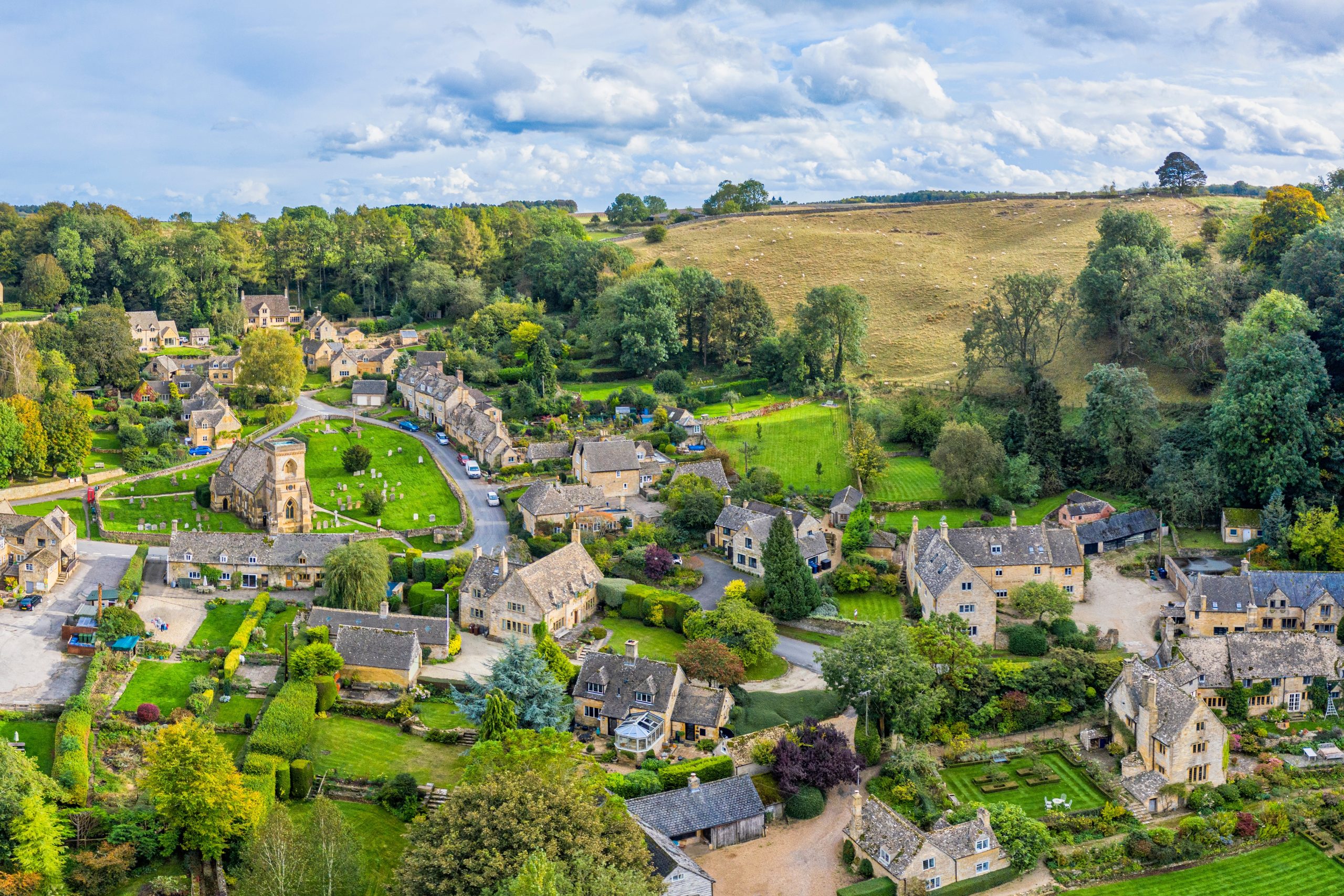
- London and the Cotswolds with Bath, combining city culture with quintessential English countryside
- Edinburgh and the Scottish Highlands, moving from one of Europe’s most handsome cities into some of its wildest landscapes
- The Wild Atlantic Way in Ireland paired with Northern Ireland’s Causeway Coast
- North Wales and the Lake District, two mountain landscapes separated by a short stretch of the Irish Sea coast
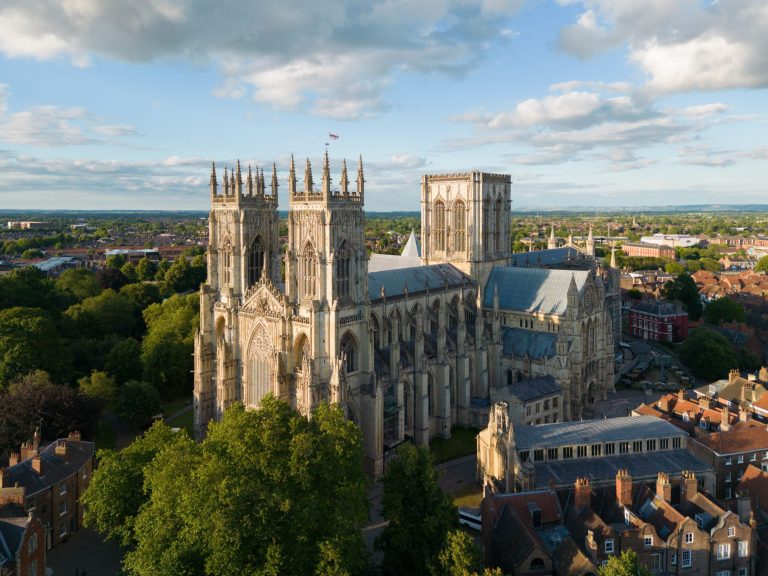
- Yorkshire’s cities (York, Harrogate) with the Yorkshire Dales and North York Moors
The key is allowing enough time in each area. A specialist tour operator can help you find the right balance between breadth and depth, and handle the logistics of internal transfers, car hire, and rail connections so that the travel between regions becomes part of the experience rather than a source of stress.
Practical Planning: Cancellation, Insurance, and Flexibility
Forward planning does not mean locking yourself into rigid commitments with no room to adapt. Modern booking practices offer considerable flexibility.
Cancellation Policies
Many UK hotels and tour operators now offer flexible cancellation terms, particularly for bookings made well in advance. Typical arrangements include:
- Free cancellation up to 14 to 30 days before arrival for standard bookings
- Deposit-based bookings where a small upfront payment secures the reservation, with the balance due closer to travel
- Flexible rate options at larger hotels, often at a modest premium over non-refundable rates
Travel Insurance
Travel insurance is not optional for international trips. For a 2027 UK visit, look for a policy that covers:
- Trip cancellation and interruption, including for reasons beyond your control
- Medical expenses, which are essential for visitors from countries without reciprocal healthcare agreements with the UK
- Baggage and personal belongings
- Travel delay and missed connections
Buy your insurance at the time of booking, not at the time of travel. This ensures you are covered if something forces a cancellation months before departure.
Working with a Specialist Tour Operator
A specialist tour operator that focuses on the UK and Ireland brings several advantages that are difficult to replicate with DIY planning:
- Deep, current knowledge of accommodation quality, regional nuances, and seasonal timing
- Relationships with properties and experience providers that can unlock availability or preferential rates
- A single point of contact for the entire trip, from initial planning through to on-the-ground support
- The ability to adapt your itinerary as new events, openings, and opportunities emerge over the planning period
- Practical logistics handled for you, including internal transport, restaurant bookings, and timed-entry tickets
Great British Trips is already planning 2027 itineraries for clients who want to get ahead of the curve. Whether you have a clear vision of where you want to go or simply know that 2027 is your year for a UK and Ireland adventure, starting the conversation early gives you the most options and the best possible trip.
If you would like help shaping your 2027 itinerary, request a quote and we will start planning with you.
Frequently Asked Questions
How far in advance should I start planning a 2027 UK trip?
For the best selection of flights, accommodation, and experiences, begin your planning 12 to 18 months before travel. This is especially important for summer visits and trips that coincide with major events such as the Edinburgh Festival or The Open Championship. Starting the planning process now, even before you are ready to make firm bookings, allows you to research regions, discuss options with a specialist, and be ready to book as soon as availability opens.
Is summer the best time to visit the UK and Ireland?
Summer offers the longest days and the warmest weather, but it is also the busiest and most expensive season. Many experienced travellers prefer the shoulder months of May, September, or early October, which often deliver excellent weather with fewer crowds and lower prices. Winter has its own appeal for those drawn to festive atmospheres, cultural events, and dramatic landscapes. The best time depends entirely on what you want from your trip.
Do I need a visa or ETA to visit the UK in 2027?
US citizens do not need a visa for a tourist visit to the UK, but they do need a UK Electronic Travel Authorisation (ETA), which costs £20 and is applied for online before travel. A decision usually arrives within a day but can take up to three working days, and the ETA is valid for two years or until your passport expires, whichever comes first. Check the latest requirements for your nationality, and note that the Republic of Ireland operates a separate entry system. Our UK ETA guide explains how to apply.
What are the advantages of using a specialist tour operator rather than booking everything myself?
A specialist brings knowledge that takes years to accumulate: which properties are genuinely worth the money, how to time your visit to avoid crowds, where to find experiences that do not appear on mainstream booking platforms, and how to handle the logistics of multi-region travel. They also provide a safety net if things go wrong, and their relationships with suppliers can sometimes secure availability or rates that are not offered to direct bookers.
Can I get a refund if I need to cancel my trip?
Cancellation terms vary by provider, but many UK hotels and tour operators offer flexible booking conditions, especially for reservations made well in advance. Travel insurance is the most important protection against financial loss from cancellation. Buy a comprehensive policy at the time of booking to ensure you are covered from day one, regardless of the reason for cancellation.